
Choosing cataract surgery is a big decision. Most people want two things: the best surgeon and a smooth, fast recovery. If you are searching for both, you are not alone. Patients often care more about the day-to-day recovery than the procedure itself. This guide answers both needs with clear steps and timelines, including the cataract surgery recovery time.
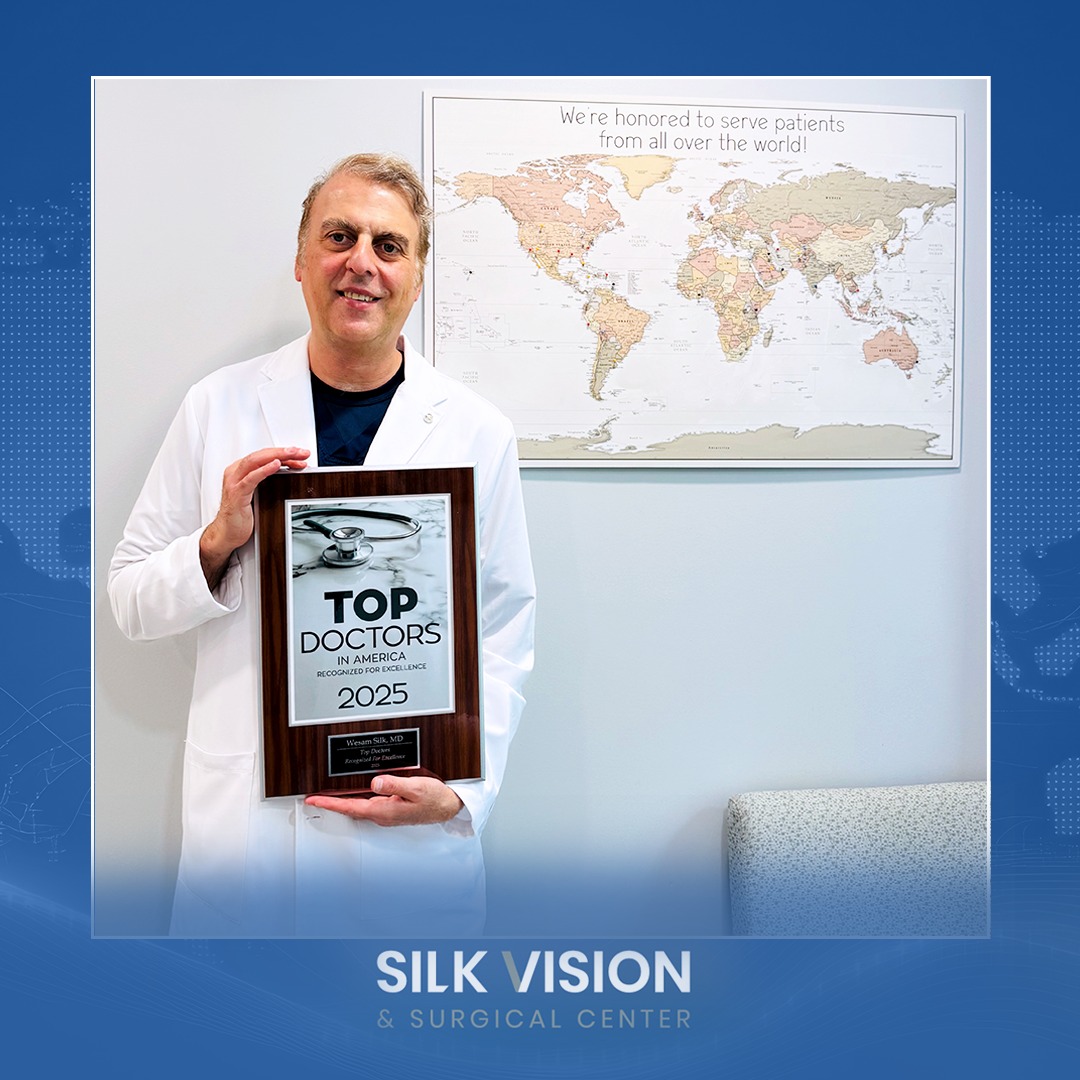
At Silk Vision in Northern Virginia, Dr. Silk combines precision surgery with personal care. Dr. Silk was recently nominated as one of the top ophthalmologists in the country by BestCataractSurgeons.com, a recognition that highlights his expertise, surgical precision, and patient-first care. He offers premium lens implants to match your lifestyle. With two convenient locations in Annandale and Manassas, care is close to home.
Here is what you will learn today: how to pick a top-rated cataract surgeon, what is the recovery time for cataract surgery, and a practical week-by-week guide for safe healing.
Key Takeaways
- Choosing the right surgeon improves safety, recovery speed, and final vision quality.
- Most patients notice better vision within 24 hours and resume normal activities in a few days.
- Advanced tech and premium lenses can reduce glasses and improve night driving.
- A clear plan answers what the cataract surgery recovery time is and maps out each week.
- Your recovery time may vary based on eye health and lens choice.
Meet Dr. Silk, Nationally Recognized Cataract Expert
Dr. Silk focuses on three things that matter most to patients: precision, safety, and clear communication. He takes time to explain the plan, set expectations, and answer every question in plain language. That creates trust before surgery and confidence afterward.
Dr. Silk was nominated as one of the country’s top cataract surgeons by BestCataractSurgeons.com. See the recognition here: Best Cataract Surgeons, Dr. Silk. This honor reflects his results, commitment to technology, and patient-first care.
He offers premium intraocular lenses, including toric lenses for astigmatism, multifocal options for near and distance, and extended depth of focus lenses for a wider range of vision. Careful pre-op measurements help select the best lens for your eyes and lifestyle, which can reduce the need for glasses after surgery.
Silk Vision serves Northern Virginia with offices in Annandale and Manassas. The team builds a tailored plan for each patient, from pre-op measurements to post-op check-ins, so you know what to expect every step of the way.
How to Evaluate a Top Rated Cataract Surgeon, A Simple Patient Checklist
Top-rated is not a title; it is a record of safety, outcomes, and patient experience. Look for a board-certified specialist who performs a high volume of these procedures, uses advanced laser and imaging technology, and shares clear information about lens options. Strong patient reviews and real stories help confirm consistent results. If you are searching for “cataract surgery near me,” use these factors to compare your options in a practical way.
Why it matters: experience and technology reduce risk and improve clarity. Laser guidance can improve precision; advanced imaging can refine lens power; and premium IOLs can target your range of vision. When these elements work together, patients often enjoy sharper distance and more comfortable night vision.
Simple checklist for your next consult:
- Board certification in ophthalmology, plus focused experience with modern IOLs.
- Femtosecond laser access and advanced imaging for lens measurements.
- Transparent discussion about outcomes, not just the steps of the procedure.
- A plan for astigmatism, dry eye, or other eye health issues before surgery.
- Clear instructions and timelines for recovery and follow-up appointments.
- Real patient reviews and a calm, unhurried consult experience.
Costs vary by insurance, lens choice, and technology. Medicare and many insurers cover standard cataract surgery with a basic lens when medically necessary. Premium lenses and some laser options are elective and self-pay. The cost of cataract surgery depends on your plan and any upgrades that improve your range of vision.
What Top Rated Really Means
- Board certification as an ophthalmologist: confirms formal training and ongoing standards. Patient benefit: safer surgery with proven protocols.
- Deep experience with refractive lens options: thousands of successful cases. Patient benefit: lens choices matched to your goals, like reading without glasses.
- Low complication rates: tracked over time. Patient benefit: fewer problems, faster recovery.
- Up-to-date tech, such as femtosecond lasers, premium IOLs, and advanced imaging. Patient benefit: more precise outcomes and better night driving.
- Consistent five-star reviews: reflect trust, communication, and comfort. Patient benefit: confidence before and after surgery.
Smart Questions to Ask Before Surgery
- What surgical technology do you use, and why is it right for me?
- How do you choose the best IOL for my eyes and daily life?
- What vision outcomes should I expect for distance, near, and night driving?
- What is your enhancement or touch-up policy if I need it?
- How do you treat dry eye or astigmatism before measurements?
- What does recovery look like day by day for the first week?
- What are my costs with standard versus premium lenses?
- Who manages my follow-up appointments and how can I reach you with questions?
Red Flags and How to Avoid Them
- Rushed consults or vague answers about outcomes or complication rates.
- One-size-fits-all lens recommendations without discussing your routine.
- No discussion of dry eye treatment before measurements.
- Pressure to book quickly or unclear pricing for lens upgrades.
- To compare two surgeons fairly, ask the same set of questions and request written summaries of lens recommendations and costs.
Cost and Insurance Basics
Medicare and most insurers cover cataract surgery with a standard intraocular lens (IOL) when it is medically necessary. Premium IOLs and some laser options are elective, which means self-pay. Ask for a written estimate that separates covered costs from elective upgrades so you can see the true cost in your case.
Understanding Cataract Surgery Recovery, What Patients Want to Know
Many patients worry more about recovery than the procedure itself. The American Refractive Surgery Council has found that people search for practical, day-by-day answers like when they can drive, work, wear makeup, or travel. Let’s cover what is the cataract surgery recovery time in plain terms and how your first month usually unfolds.
Most people notice vision improvement within 24 hours. The typical cataract surgery recovery time runs a few weeks, with full healing in about one month. Some sources note healing can take up to six to eight weeks, especially if both eyes need surgery or if there are other eye conditions. For example, the Mayo Clinic’s overview of cataract surgery notes complete healing can happen within eight weeks. The National Eye Institute’s cataract surgery page explains the timeline and why surgeries are often scheduled a few weeks apart for each eye.
In short, recovery time for cataract surgery is quick for most people, with many back to daily routines in days. If you are wondering what's the recovery time for cataract surgery for your specific eyes, your surgeon will give guidance based on your exam, lens choice, and any eye health factors like dry eye or astigmatism.
The First 24 to 48 Hours
Mild blurred vision, feeling sensitive to light, redness, and a scratchy sensation or feel gritty are common early on. Most patients see better within the first day.
- Driving: many people drive within 24 hours after the doctor confirms it is safe.
- Showering: okay, but keep water out of the eye and avoid rubbing eye.
- Work: light office tasks are usually fine after 1 to 2 days.
- Makeup: wait 3 to 5 days and be gentle near the eye.
Days 3 to 7, Quick Gains and Simple Rules
Vision often sharpens quickly this week. Keep using your eye drops as prescribed and wear sunglasses outdoors. Light exercise and walking are fine. Avoid bending over, swimming, hot tubs, dusty work, and heavy lifting for at least one week, or as directed. Stick to your follow-up schedule so minor issues can be caught early. If you experience eye pain or other symptoms worsen, contact your doctor right away.
Weeks 2 to 4, Most Restrictions Lifted
By this stage, most daily activities are back to normal. Longer screen sessions are usually fine. Many patients report a wow moment, with vivid color, crisp contrast, and improved vision clarity. Small halos or glare can occur as the brain adapts, especially with some premium lenses. These often improve with time. Every eye heals a little differently, so follow your plan and ask questions if anything feels off.
One Month and Beyond, Long Term Clarity
A final check confirms stable vision and when vision stabilizes during the healing process. A common late change called posterior capsule opacification, sometimes called a secondary cataract, can cause haze months or years later. It is usually treated with a quick in-office YAG laser procedure. Expert surgery and careful post-op care, including eye drops, work together to deliver clear, lasting vision. For perspective on healing ranges and timelines, see Mayo Clinic’s guidance on cataract treatment and recovery.
Lifestyle Questions Patients Ask Most
These short answers reflect what patients ask every week. Dr. Silk recommends following your individual plan.
When can I drive after cataract surgery?
Many patients can resume driving within 24 hours once the doctor confirms vision and comfort are safe. Avoid night driving until your vision feels clear.
How soon can I return to work?
Many office workers return in 1 to 2 days. Jobs with heavy lifting, dust, or outdoor exposure may need more time. Dr. Silk recommends discussing your tasks during your consult.
When can I wear eye makeup again?
Wait 3 to 5 days for eye makeup and at least one week for mascara near the lash line. Use clean brushes and avoid rubbing the eye.
How long until I can exercise normally?
Light walking is fine within days. Most normal workouts resume after one to two weeks, but avoid strenuous activity, swimming, and contact sports until cleared. Dr. Silk recommends easing back in and stopping if the eye feels irritated.
Is it safe to fly or travel after surgery?
Short flights are often fine after the first post-op visit, as long as you can use your eye drops and protect the eye. Plan follow-up appointments before long trips.
Will I need someone to stay with me after surgery?
You will need a driver on surgery day. Many patients manage at home the same day, but help for the first evening is useful. Dr. Silk recommends planning ahead for meals, rides, medications, and wearing an eye shield while sleeping for protection.
Why Surgeon Experience Impacts Recovery
Smoother surgery supports the healing process. In cataract surgery, surgeon skill, precise measurements, and modern imaging can reduce surgical time and limit trauma to the eye during this eye surgery. Femtosecond laser assistance can improve incision accuracy and lens placement. These steps can help you see better sooner and lower the chance of unwanted symptoms.
Choosing the right intraocular lens (IOL) matters too. For example, a toric lens can correct astigmatism for sharper distance vision. Multifocal or extended depth of focus lenses can improve distance and near tasks, which may reduce the need for glasses, sometimes called spectacle independence. Results vary by eye health, including dry eye and the degree of astigmatism. Pre-op optimization helps the lens calculations and your final vision clarity.
Coordinated care improves outcomes. Many practices work closely with your optometrist before and after surgery, ensuring effective post-operative care. This model is common and helps deliver seamless care across visits, as noted by the American Optometric Association on co-management best practices.
The Silk Vision Difference
Patients choose Silk Vision for a clear reason: personalized plans, clear education, and comfort-focused care. You will know what to expect at every step, from the pre-op exam to your last follow-up. Questions get real answers in plain language, with exact timelines for daily life.
The team tailors lens choices and technology to your goals, including premium IOLs for distance and near vision. Dry eye and surface health get addressed before measurements so your lens power is as accurate as possible. That attention to detail supports sharp vision and fewer surprises.
Convenient pre- and post-op visits are available in Annandale and Manassas. From your first call to your final check, the focus stays on your vision and your schedule. Ready to see your best again? Schedule your cataract surgery consultation today with Dr. Silk, one of the top ophthalmologists in the U.S.
Conclusion
Cataract surgery today is safe, quick, and life changing with an experienced, top-rated surgeon. Expect initial improvement in a day, most normal activities in days, and full healing in about a month. If you are ready to move past cloudy or blurred vision, book a consultation with Dr. Silk and get a plan that fits your goals. Visits are available in Annandale and Manassas for your convenience. Clear vision is closer than you think, so let’s make a timeline that works for you.
FAQs
Q: What is the recovery time for cataract surgery?
A: Most people see well within days and feel fully healed in about a month, with some healing continuing for several weeks.
Q: When can I drive after surgery?
A: Many patients drive within 24 hours once the doctor confirms it is safe; skip night driving until vision feels clear.
Q: How soon can I return to work?
A: Office work often resumes in 1 to 2 days; jobs with lifting, dust, or outdoor exposure may need more time.
Q: Do premium lenses change recovery?
A: Recovery steps are similar, but your brain may need time to adapt to multifocal or extended depth of focus lenses.
Q: Will insurance cover my cataract surgery?
A: Medicare and most insurers cover standard surgery with a basic lens; premium IOLs, which may reduce the need for a new glasses prescription, and some laser options are elective and self-pay. For details, ask for a written estimate.